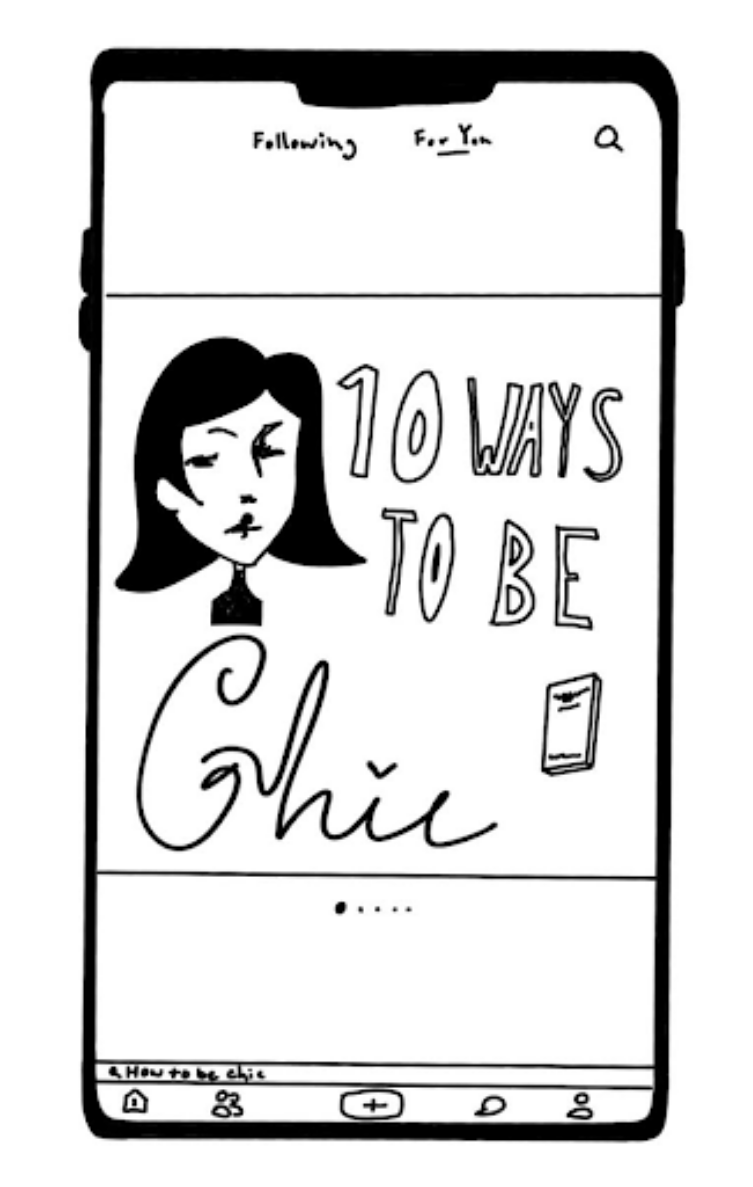

In a dark room, a soft luminescent glow illuminates a face, while a thumb on the side of the phone rests ready to scroll to that next hit of dopamine found in a short-form video. As you swipe upward, you see the next clip: a colorful, vibrant recording of a wild party where high schoolers dance, music blasts, and dozens of teenagers get drunk—fun right? No. Wrong. The video you just watched promotes teenage substance use, and it’s influencing you even if you’re unaware of it. Drugs, such as nicotine and alcohol, have become so much more glorified to the youth audience in the media, focusing only on the brief “pleasure” one experiences from substances and severely ignoring the long term effects.
A major example of this: the BuzzBallz. A BuzzBallz appears as a small, round, ready-to-drink alcoholic cocktail. They come in various colors and sizes, and these brightly colored spheres closely resemble toys and trendy energy drinks that teenagers can’t get enough of. “Studies have found that almost one-third of teens ages 12 to 17 drink energy drinks regularly,” according to Johns Hopkins Medicine. That’s over 14 million teenagers who consume energy drinks frequently. In my opinion, Buzzballz were purposely designed to differ from the traditional alcoholic packaging to target a younger audience with their “cool” form of casing.
BuzzBallz also has a multitude of fruity flavorings, almost like different candy flavors, for teens to choose from. BuzzBallz contain nearly four times the amount of alcohol found in a can of regular beer. Yet, with an exterior resembling a whimsical juice container rather than an alcohol-filled vessel, the packaging cleverly captivates consumer attention and hides this fact.
This year there’s a major BuzzBallz tasting challenge happening on all social media platforms, where creators rank the Buzzballz flavors like candy, serving as a sort of aesthetic trend and because it’s seen as trendy, thousands of teenagers take part in it. This consumption of Buzzballz isn’t limited to social media feeds but it’s also spread to social gatherings.
“Apparently teen parties and beach bonfires in the Bay Area are overflowing with beer and BuzzBallz, according to MindSite News. This shows how drinking has become integrated into part of youth culture.
Alcohol’s not the only kind of drug that has become more romanticized and targeted toward the youth demographic. Nicotine products such as vapes have also become increasingly prevalent. This generation knows the harm that can come from cigarettes and for that reason they have turned to e-cigarettes. E-cigarettes, also known as vapes, consist of battery-powered devices that heat a liquid solution into an aerosol that individuals inhale, rather than burning actual tobacco. “Hitting a vape” has become typical behavior for teenagers anywhere, whether on the train, while doing homework and even in school bathrooms, where students often pass around vapes and share them with friends.
Most teenagers who vape do not even like vaping, but instead do it to fit in. Vaping’s seen as cool by teenagers because of the media they have consumed, whether that’s the multitude of ads, talk shows, or even movies that vaping’s promoted in by showing an aloof character who constantly hits an electronic-cigarette. Teenagers wish to resemble these kinds of aloof characters. Therefore, most teenagers vape because of the aesthetic of it, with vaping connected to being casual or nonchalant. It’s seen as a lifestyle choice that’s meant to stay shown and claimed as part of an individual’s identity, with vaping making them seem edgy. Because we as a society have romanticized vapes and the act of vaping, more teenagers want to do it just to seem “cool.”
Major companies such as Apple have even made vape cases for their phones, with the cases being able to store vapes inside and simultaneously charge them. Due to these various promotional strategies centered around vaping, more teenagers vape.
The glorification and promotion of drugs lurks everywhere from social media feeds showing exhilarating teen parties filled with alcohol, to movies presenting laid-back characters puffing on a vape. However, these advertisements only highlight the coolness of drugs and that of the users. They fail to show the reality of long-term effects from said drugs. Vaping might seem cool at the moment, but an individual certainly won’t feel cool when their lungs fail on them and they can’t go a day without craving some nicotine.
The same applies to alcohol. Drinking a Buzzballz with some friends might seem harmless, but it’s not. It’s fueling alcohol addiction, shrinking still-developing brains, and damaging your liver. Most teenagers do drugs without knowing any of the long-term effects of them because they only care about being perceived as fashionable. “Long-term drug use causes brain damage that can set people up for addiction and various other problems,” according to Get Smart About Drugs. Every time any kind of alcohol’s consumed the person drinking will harm their body.
A counterargument commonly used to defend teenagers who do these drugs says that these stay soft drugs, or in other words, drugs that remain not as harmful as other more dangerous substances. Proponents often argue that vaping or drinking help teenagers relax without escalating to “serious” narcotics. However, this perspective ignores how brutally addictive nicotine is to a developing brain. “As far back as 1988, the surgeon general compared the addictive quality of nicotine to both heroin and cocaine,” according to the Council on Chemical Abuse. Because teenage brains remain in the stage of development, the highly addictive quality of nicotine can permanently damage and reshape neural pathways. Instead of acting as a safe alternative, vaping fundamentally alters brain chemistry, making youth users extremely susceptible to long-term addiction and associated mental health struggles like depression.
Vaping and drinking alcohol isn’t good for your physical health either, with effects of vaping being lung damage and cardiovascular strain, while alcohol damages your liver, causes cognitive decline, and can cause neuropathy.
Ultimately, the promotion of various substances takes place over a myriad of media which masks the dangerous effect of drugs. The media we consume has successfully repackaged substances like vaping and alcohol into being trendy and lighthearted, causing youth audiences to associate illegal substance use with social status and glamour. However, the momentary “pleasure” and social acceptance acquired by these viral aesthetics hides the reality that drugs lead to various health problems. To protect our generation and those that come after us, we must actively counter this influence by calling out misleading online trends, refusing to share content that glamorizes vaping and supporting others who choose to stay substance-free. Only by intentionally shifting our online and social cultures can we dismantle the heavily commercialized facade and prevent any lasting harm.