Many students know the effects of climate change, but how environmental issues intersect with feminist issues is often ignored. Not only do environmental disasters often have the worst impact on women in poor remote areas of the globe at higher risk for disasters, but many companies use greenwashing to shift blame about climate change issues onto individuals, especially advertising toward women.
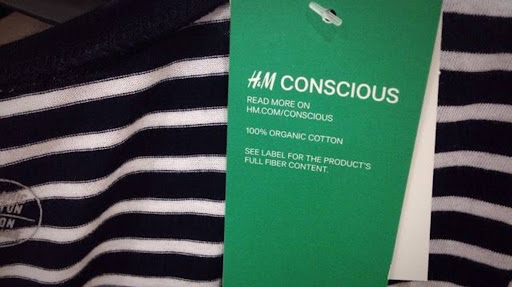
“Greenwashing” is the practice of a company spreading false or misleading claims to convince consumers they do more to protect the environment than they truly do. Companies do this with tactics such as claiming to have environmental goals while sharing no real plan, exaggerating positive benefits while ignoring negative ones and using intentionally vague labels without clear definitions like “eco-friendly” and “green”. According to Earth.org, many big companies have faced criticism for greenwashing, such as Nestlé, Coca-Cola, as well as many fast-fashion brands. Greenwashing enables businesses to make money from people’s good intentions while distracting from how they harm the planet.
Many people have heard of the concept of a personal carbon footprint, the petroleum company BP popularized the concept in a 2000’s marketing campaign. This shifted blame for pollution and climate change from major companies like BP onto the individual choices of consumers. Greenwashing makes it more difficult for people who want to purchase a more eco-friendly option to do so and undermines real attempts to improve environmental issues, while misleading consumers to believe that they hold responsibility for simply making better purchases.
In an Oct. 2 survey of 66 Jones students conducted by the Blueprint, the response to the question “In your opinion, which gender do advertisements for eco-friendly consumer products seem to target most?” resulted in 50.8% selecting women, 27% selecting both, 20.6% selecting not sure and 1.6% selecting men. In addition, female students reported seeing high amounts of “eco-friendly,” “sustainable,” or “green” product advertisements 12.5% more than male students. These promotions are often deceptive as they not only put pressure on women to fix environmental issues through personal changes to shopping habits, but they also make it more difficult for real ecologically beneficial progress to happen.
The people and companies least affected by environmental issues also contribute the most, so they have the most potential power to change things. According to Oxfam International, the wealthiest 1% of people emit as much pollution as two-thirds of humanity. According to the United Nations, the richest 1% cause more global greenhouse gas emissions than all the combined emissions of the poorest 50%, not only due to their personal lifestyles, but also because of their ownership of and investment in companies responsible for pollution. The ultrawealthy and their companies greatly contribute to environmental issues while the people with the least wealth end up most affected.
While women in the United States are marketed a lifestyle of conscious consumerism through greenwashing, the material reality of global warming climate disasters falls onto women in periphery countries. Both issues are two sides of the same patriarchal capitalist coin. Marketing gimmicks that feed off of climate anxiety in wealthier nations is a matter of survival in periphery countries struggling with the harsh realities of global warming.
In regions already experiencing conflict, like the Middle East, Central Africa and South Asia, climate disasters worsen political and economic tensions which can lead to more violence against women in those places. Women have more difficulty finding help when climate disasters happen. According to the United Nations, women and children are 14 times more likely to die during climate disasters than men, and women and girls make up four-fifths of climate displaced people. Empowering women cognizant of what happens to the environment in their areas could prove very beneficial to addressing environmental problems in a way that also helps the groups most at risk of the impacts. Large companies hold the most power to prevent the harm caused to individuals, but instead they shift the blame to the consumers, blaming how people’s personal habits cause this damage to others when large companies and the wealthiest cause the worst impact.
Individual choices do matter, and people should try to live more sustainable lifestyles when possible. According to the World Economic Forum, changes to lifestyle and consumer behavior has the potential to reduce global greenhouse gas emissions by up to 70% by 2050. People should do their best to make an impact, but it is important to remember the broader issues tied to global warming and to work towards bigger changes to society and government, not just individual choices.
So, what can we do? People who have the option to should try to think about their shopping habits and the environmental impacts, but it will take bigger changes to truly help the Earth. The government needs to regulate corporations for real change to happen. According to the Center for International Law, the Environmental Protection Agency has made drastic rollbacks on many regulations. With the EPA undoing environmental regulations, the importance of spreading awareness of environmental issues and the way they amplify existing inequalities has only grown. If more people try to hold the government accountable to enact real change, one day there could be a government that puts the planet over profit. It is important to keep in mind how global warming intersects with other issues to worsen inequalities to move forward in a way that helps everyone. As much as people try to fix their own habits, it is important to remember that societal problems need more than individual action to solve. To make lasting results, we need collaboration.